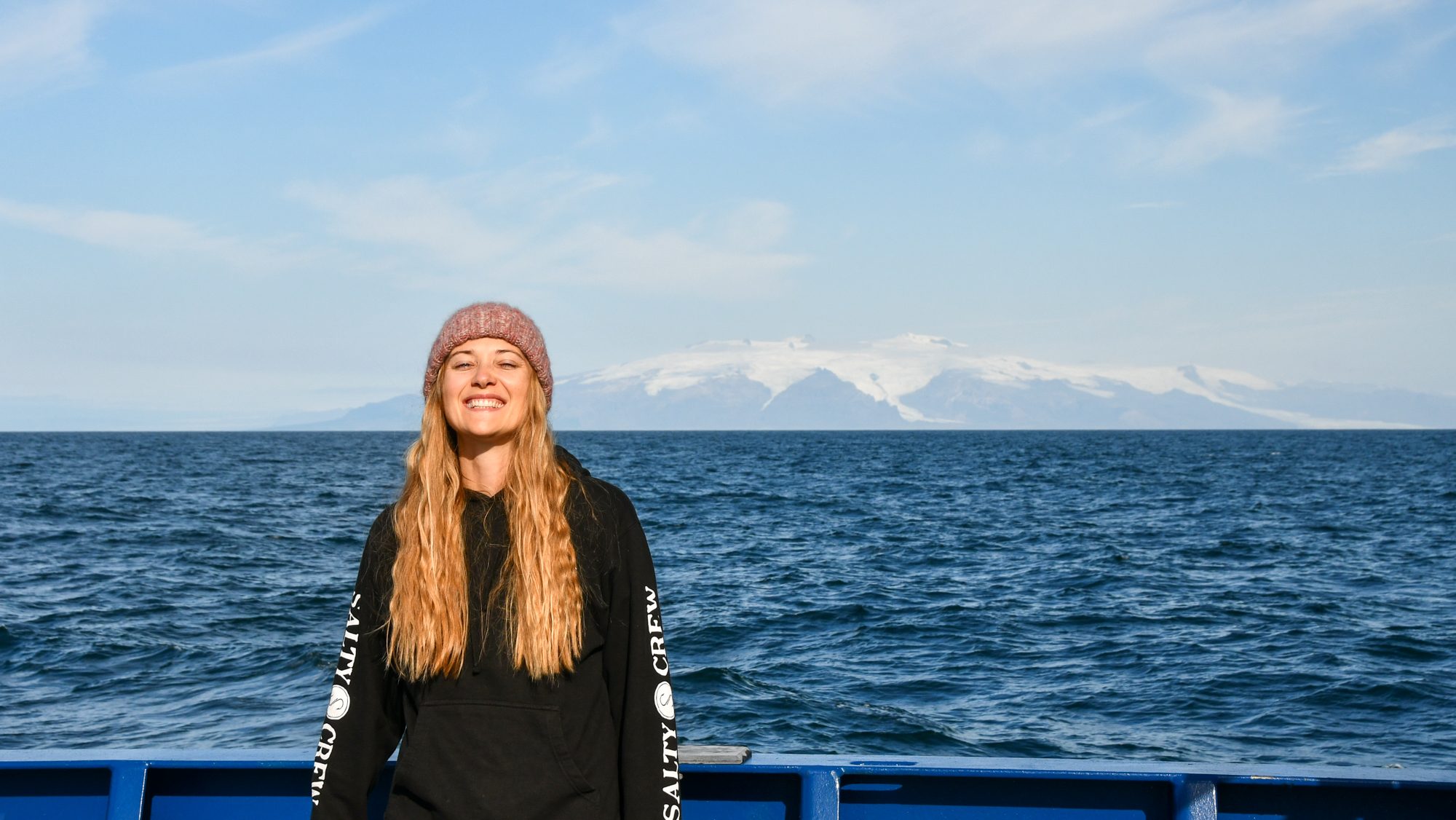
In 2026 I will graduate with a PhD in Physical Oceanography from Scripps Institution of Oceanography, co-advised by Dr Luca Centurioni and Professor Jen MacKinnon.
I am based in Southern California and am actively looking for a postdoc or similar level position within academia, research or industry. Have an opportunity in mind?
Let’s chat!
What is oceanography?
If I had a penny every time someone asked me this…
“Oceanography”, from the Ancient Greek ὠκεανός (ōkeanós) meaning ‘ocean’ and γραφή (graphḗ) meaning ‘writing’, is the study of a wide range of phenomena in the ocean. There is large-scale oceanography looking at the transport of heat and salt around the ocean on scales of hundreds of kilometers, and small-scale oceanography looking more into specific regions or processes that happen on scales of kilometers, meters or even smaller. You can study the ocean by using models, or do observational oceanography collecting in-situ data or use remote sensing techniques like satellites and radar. There are branches of oceanography that focus more on the chemistry of the water, more on the biology from plankton to marine mammals, on the geology of the ocean or more on the physics of waves and currents.
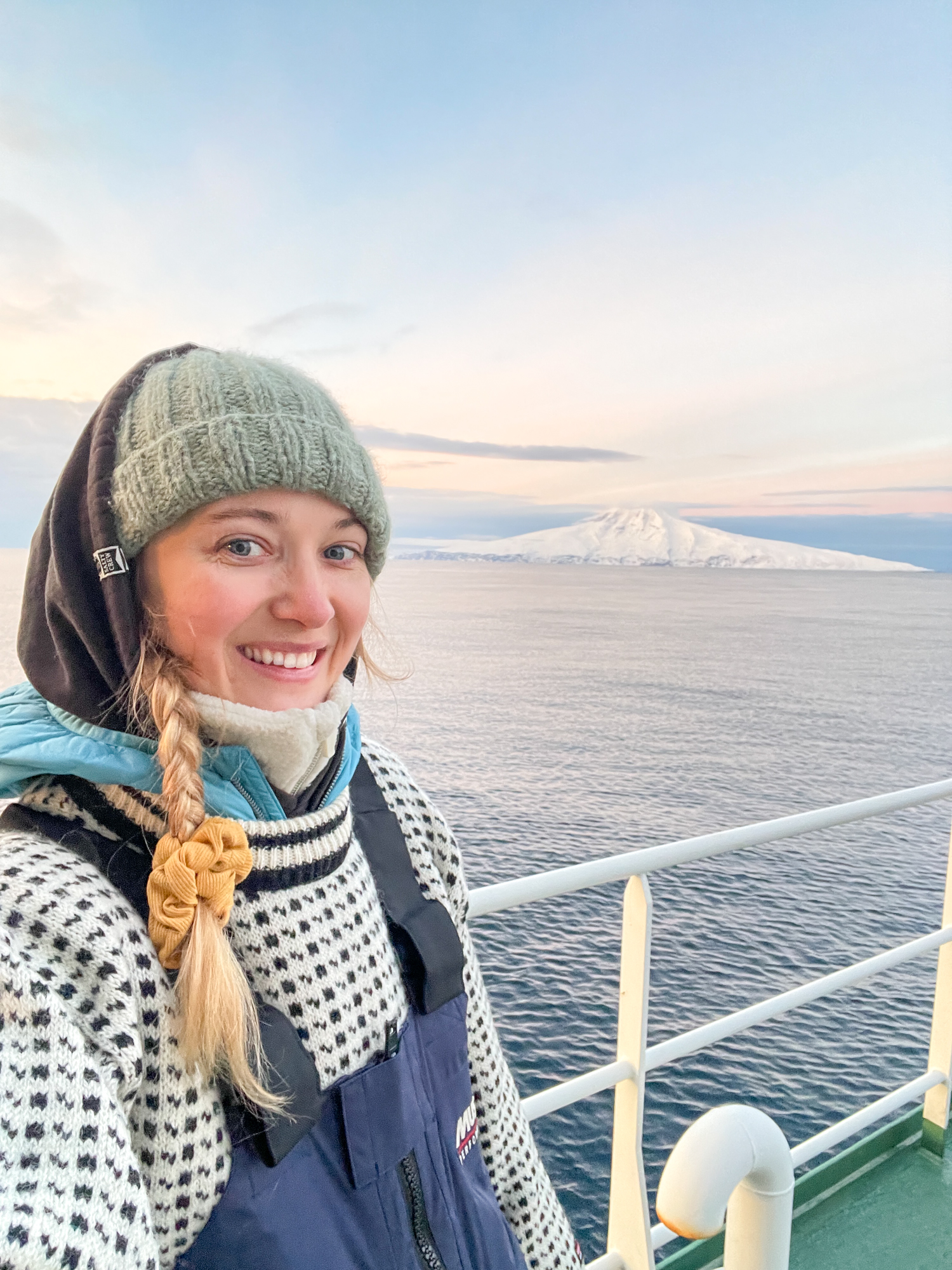
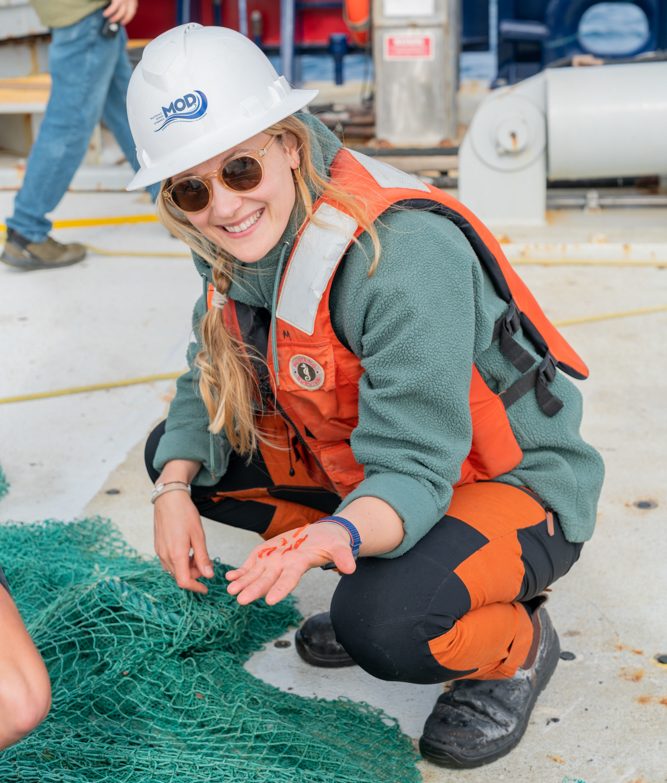
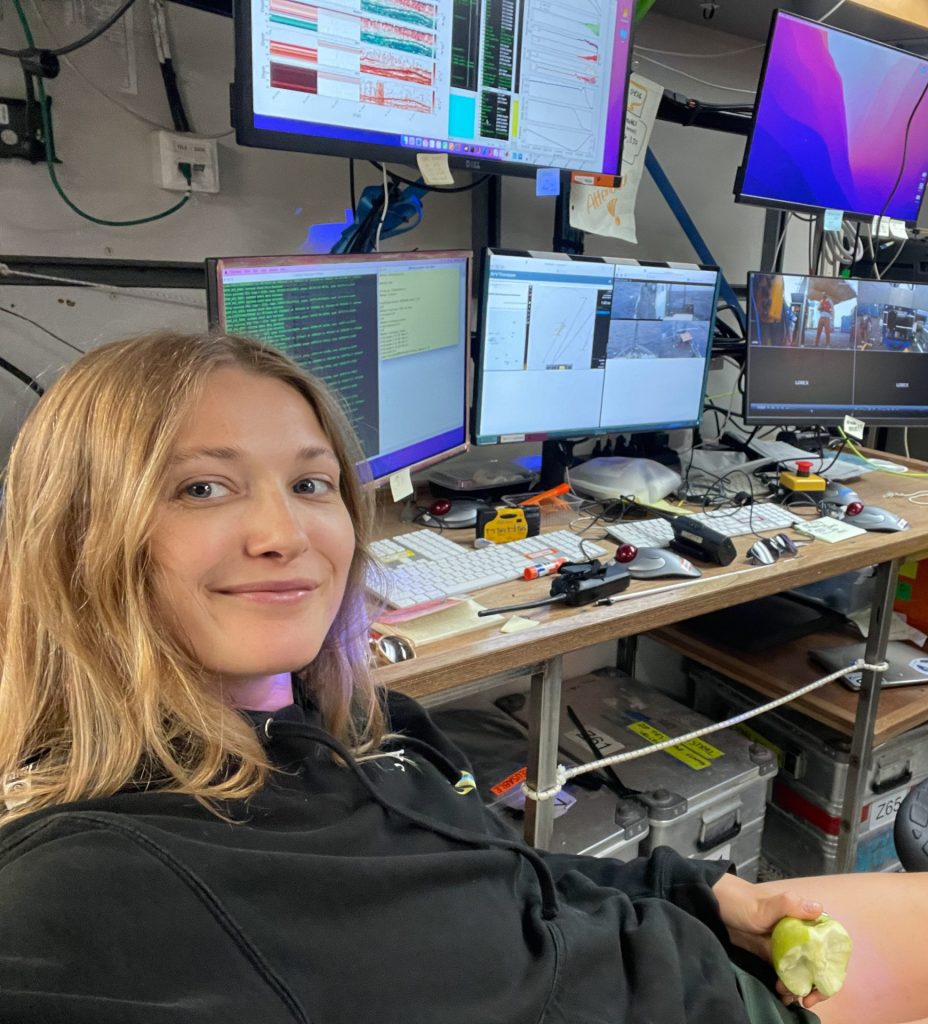
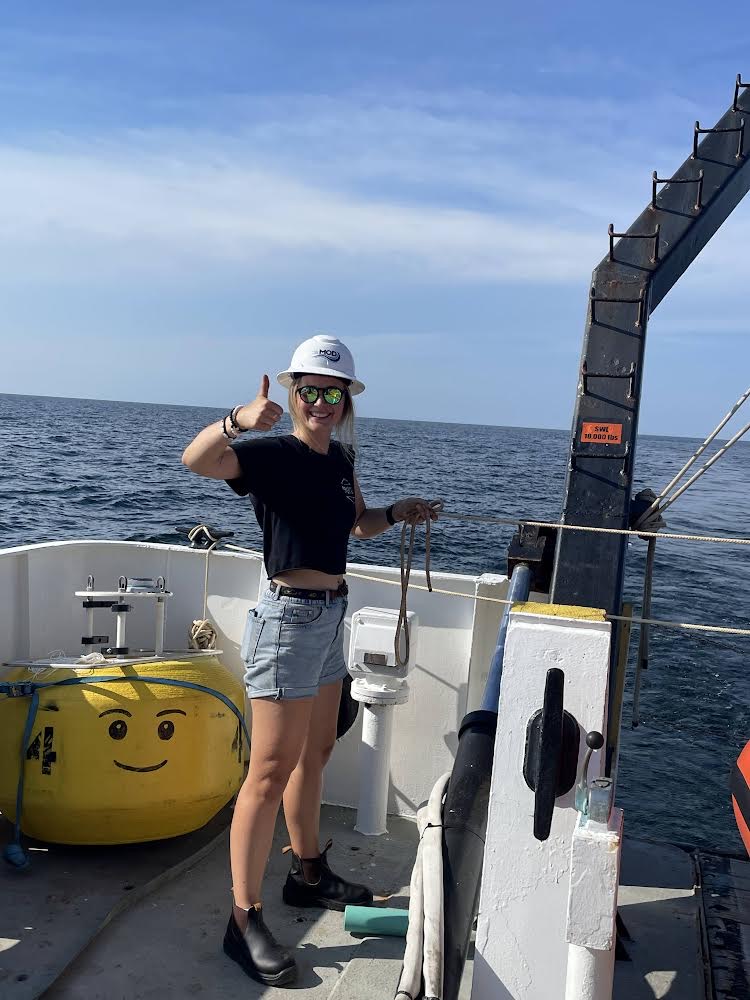
I myself do observational, physical oceanography looking at interactions between the atmosphere and ocean and how energy flows through the system, from scales of big storms to surface waves and centimeter scale turbulence. Because it really is one system. Earth’s climate is governed by two big reservoirs of fluid, the atmosphere and the ocean. These two fluids have very different properties, for example when it comes to the ability to store heat which is why the ocean has absorbed 90% of the excess heat associated with anthropogenic CO2 emissions (of which the ocean has also absorbed 30%).
Our ocean is changing because of this, and other things we humans do like overfishing and polluting. But we rely on the ocean so much. Organisms in the ocean produce at least half of the oxygen we breathe and 3 billion people rely on the ocean for their livelihood. How we as a global society find a way forward to both sustainably use the resources the ocean provide at the same time as we protect and care for the marine environment is something I’ve been talking about at the United Nations Framework Convention on Climate Change (UNFCCC) Conference of the Parties meetings in Azerbaijan (COP29 which I wrote about here) and Brazil (COP30) where I’ve been involved with the Ocean Pavilion.
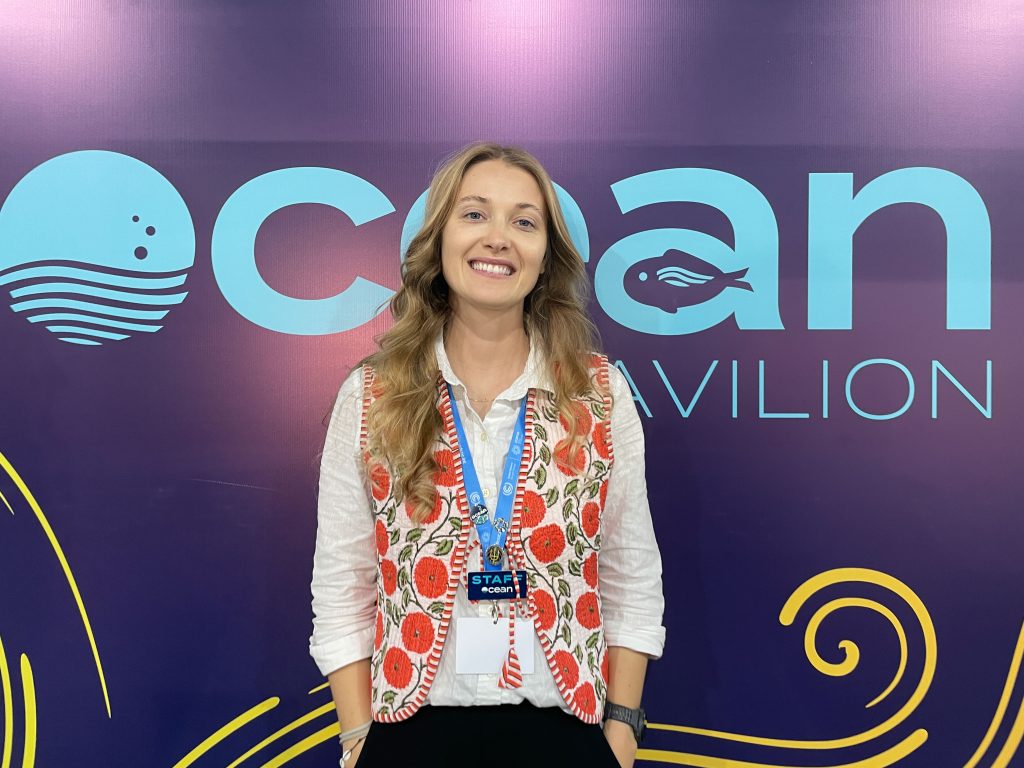
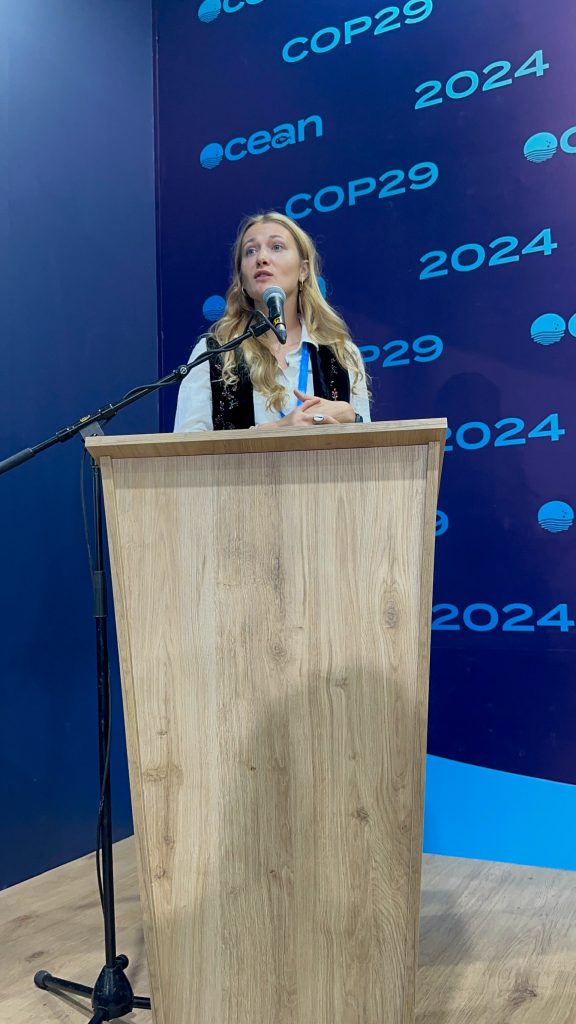
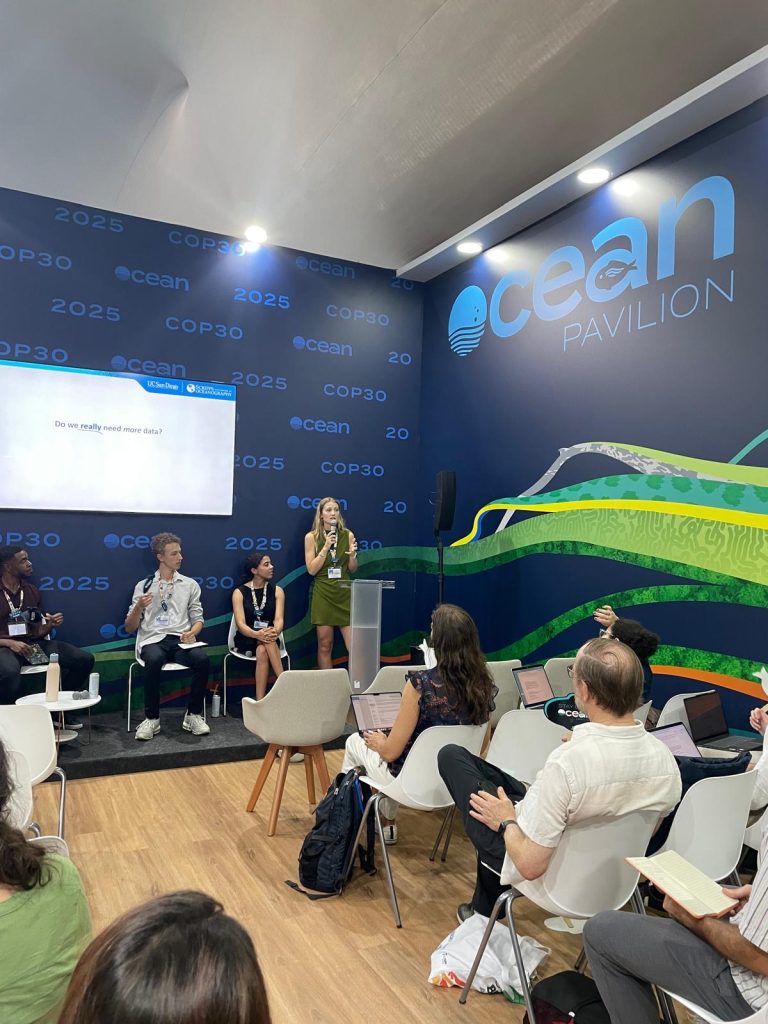
Getting to attend the organized chaos that is global climate negotiations as a scientist has been a good reminder that many of us live in our little bubbles, mine is for example one where people love and care about he ocean and know how important it is to protect it, but we don’t always figure out how to talk with people from a different bubble, or even care to try to learn about what life looks like in that bubble. This also goes for how we do science. Unfortunately the resources to do good science are unevenly distributed globally, and the culture in academia rarely affords care-full science done with respect for people and the environment, and with the explicit goal of being of service. I want to be part of the change for a more sustainable way of doing science that is of benefit.
Because at the end of the day, we’ve only got one planet…
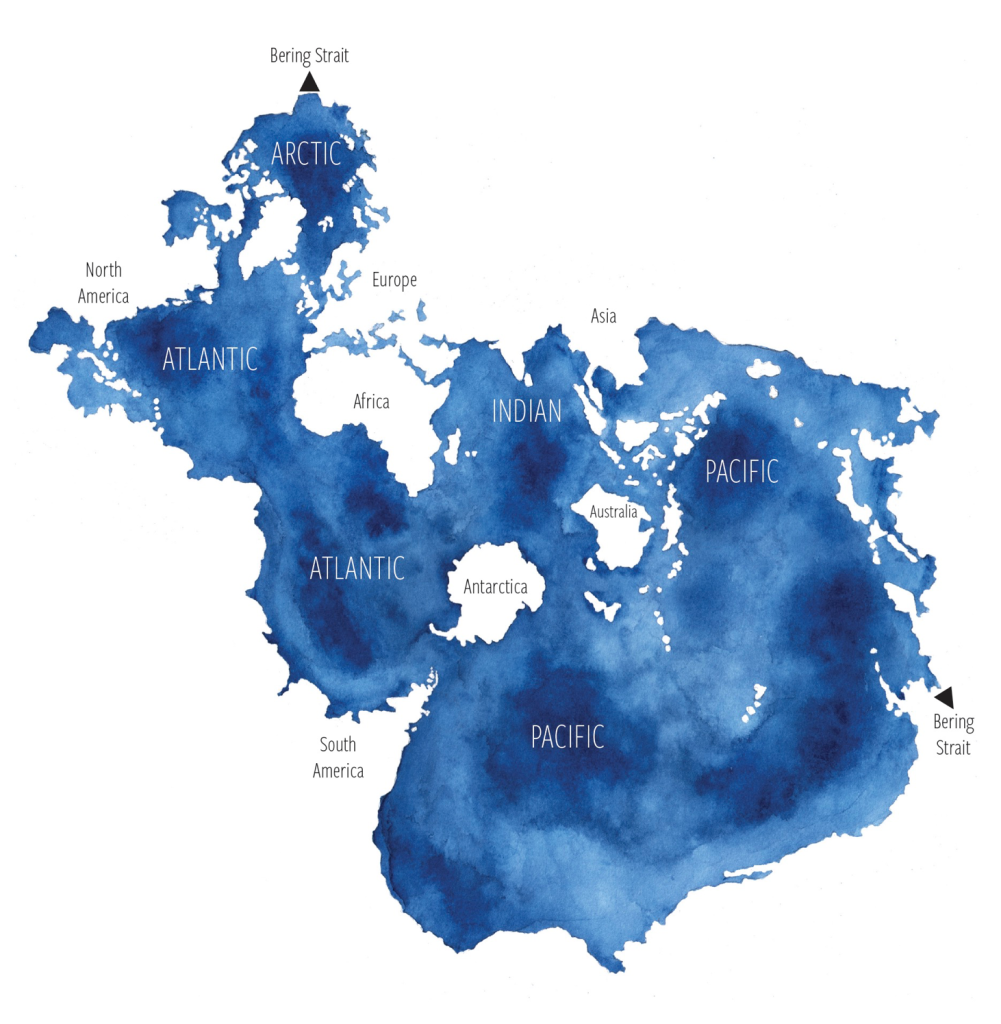
I’ll leave this figure here. It’s by Natalie Renier at Woods Hole, a Spillhaus projection map showing how we actually live on Planet Ocean rather than Planet Earth. I quite like it as a reminder that we are all connected to the ocean and that the ocean is what connects us all.